
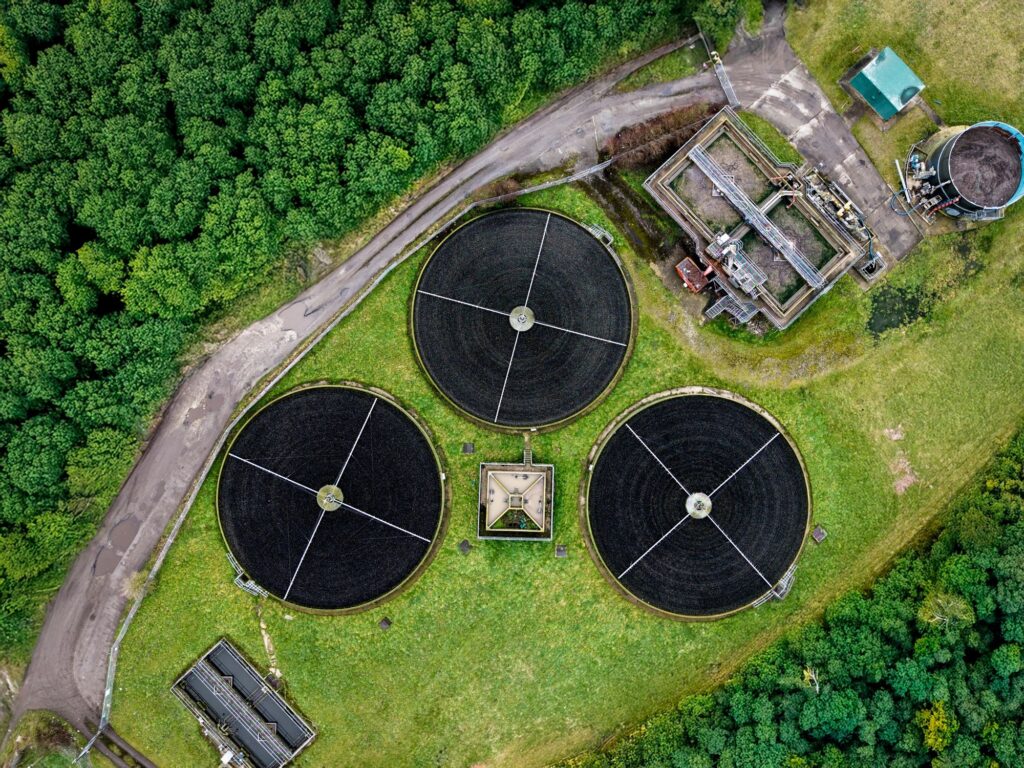
Access to clean and safe water has become a critical need in today’s world. Water treatment equipment plays an essential role in ensuring water quality for residential, commercial, and industrial use. This guide delves deep into the fundamental aspects of water treatment equipment, their types, advantages, and how to choose the best solutions tailored to your needs.
What Is Water Treatment Equipment?
Water treatment equipment encompasses a range of systems and devices designed to improve water quality by removing impurities, contaminants, and harmful substances. These systems are vital for ensuring the safety and usability of water for drinking, cooking, industrial processes, and more.
Why Do You Need Water Treatment Equipment?
Water sources are often contaminated with pollutants such as bacteria, heavy metals, chemicals, and sediments. Without treatment, these contaminants can pose health risks, damage infrastructure, and affect water usability. Water treatment equipment addresses these problems by:
- Enhancing water safety for consumption
- Protecting plumbing and appliances from damage
- Meeting regulatory requirements for water quality
Types of Water Treatment Equipment
There are numerous types of equipment available, each designed to address specific water quality issues. Below are some of the most commonly used systems:
1. Filtration Systems
Filtration systems are designed to physically remove particles like dirt, sand, and debris from water. These systems are widely used in homes, businesses, and industries for their simplicity and effectiveness.
2. Reverse Osmosis Systems
Reverse osmosis (RO) is a powerful method that removes a wide range of contaminants, including dissolved solids, heavy metals, and microorganisms. RO systems are particularly popular for producing high-quality drinking water.
3. Water Softeners
Hard water is a common issue in many regions, including areas like Lubbock, Texas. Water softeners use ion-exchange technology to replace minerals like calcium and magnesium with sodium or potassium, preventing scale buildup and extending the life of plumbing and appliances.
4. UV Disinfection Systems
UV systems use ultraviolet light to kill bacteria, viruses, and other pathogens, ensuring microbiological safety without the use of chemicals. These systems are ideal for homes and businesses seeking eco-friendly solutions.
5. Chemical Feed Systems
Chemical feed systems add disinfectants such as chlorine to water, effectively neutralizing harmful microorganisms and oxidizing contaminants. They are commonly used in large-scale municipal and industrial water treatment applications.
How to Select the Right Water Treatment Equipment
Choosing the right equipment requires a careful assessment of your water quality, usage needs, and budget. Here’s a step-by-step guide:
Step 1: Conduct a Water Test
Start by testing your water to identify the specific contaminants you need to address. You can use home test kits or consult a professional for detailed water analysis.
Step 2: Identify Your Needs
Determine your primary objectives, whether it’s improving water taste, removing harmful contaminants, or addressing hard water issues. Consider usage requirements for drinking, cooking, or industrial processes.
Step 3: Consult a Specialist
Water treatment specialists can provide valuable insights into the best equipment for your situation. They can recommend solutions tailored to your specific water quality issues and location.
Step 4: Evaluate Costs and Maintenance
Consider both initial investment and long-term maintenance costs. Some systems, like reverse osmosis, may require regular filter replacements, while others, like UV systems, have minimal upkeep.
Benefits of Water Treatment Equipment
Investing in water treatment equipment offers numerous advantages, including:
- Improved Health: Eliminates harmful contaminants, ensuring safe drinking water.
- Enhanced Taste and Odor: Removes unpleasant tastes and smells caused by impurities.
- Extended Appliance Life: Prevents scale buildup and corrosion, protecting plumbing and appliances.
- Environmental Benefits: Reduces reliance on bottled water, decreasing plastic waste.
Challenges and Solutions in Water Treatment
While water treatment equipment is highly effective, users may encounter some challenges, such as:
- High Initial Costs: Advanced systems can be expensive. However, long-term benefits often outweigh the initial investment.
- Maintenance Requirements: Regular servicing is essential for optimal performance. Choosing low-maintenance systems can reduce the burden.
- Water Variability: Changes in water quality may necessitate system upgrades or adjustments. Regular testing can help mitigate this issue.
Local Water Quality Needs in Lubbock, Texas
Lubbock, Texas, is known for its hard water, which contains high levels of calcium and magnesium. Installing water softeners and filtration systems is crucial for addressing these specific issues. Local water treatment professionals can provide customized solutions to meet the unique water quality challenges in this area.
Frequently Asked Questions (FAQs)
1. What contaminants can water treatment equipment remove?
Water treatment equipment can remove a wide range of contaminants, including bacteria, viruses, heavy metals, chemicals, and sediment. The type of system you choose will determine the contaminants it can address.
2. How often should water treatment equipment be serviced?
The servicing frequency depends on the type of equipment. For example, filters in reverse osmosis systems typically need replacement every 6–12 months, while UV lamps may require annual replacement.
3. Can water treatment equipment improve water taste?
Yes, most systems are designed to enhance water taste by removing impurities and odors caused by contaminants.
4. Are water treatment systems energy-efficient?
Many modern systems, such as UV and filtration units, are energy-efficient and designed to minimize environmental impact.
5. How do I know if my water needs treatment?
Signs of water quality issues include unpleasant taste, discoloration, foul odors, and scale buildup. Conducting a water test is the best way to determine if treatment is necessary.
In conclusion, water treatment equipment is essential for ensuring access to clean and safe water. By understanding the types of systems available and their benefits, you can make informed decisions to address your water quality needs effectively. For those in Lubbock, Texas, consulting local experts can provide additional guidance tailored to regional challenges.