
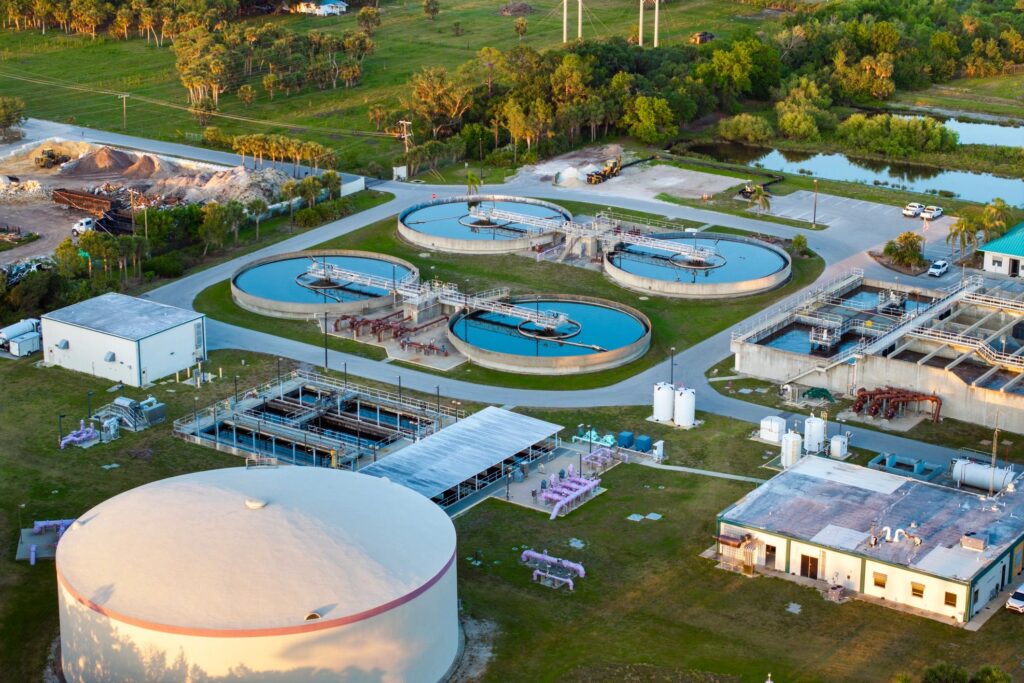
Clean and safe water is a critical necessity for homes, businesses, and industrial facilities. However, selecting the right water treatment system can be a daunting task, given the variety of options available and the specific needs of different applications. This guide will help you navigate the complexities of water treatment and make informed decisions to ensure optimal water quality.
Why is Water Treatment Important?
Water treatment systems are essential for removing contaminants, ensuring safety, and improving the taste and quality of water. Untreated water can contain harmful bacteria, heavy metals, and chemical pollutants that pose risks to health and equipment. Investing in a water treatment system not only protects your health but also extends the lifespan of plumbing systems and appliances.
How Do I Determine My Water Quality Needs?
Understanding your water quality requirements is the first step in choosing a treatment system. Start by testing your water to identify contaminants such as chlorine, lead, nitrates, or bacteria. You can use DIY testing kits or hire a professional service for more accurate results. Knowing your water source—whether it’s municipal, well, or surface water—can also guide the type of treatment needed.
What Types of Water Treatment Systems Are Available?
- Filtration Systems: These systems remove impurities through physical barriers or chemical processes. Common filters include activated carbon and sediment filters, ideal for removing chlorine, sediment, and odors.
- Reverse Osmosis (RO) Systems: RO systems use a semi-permeable membrane to remove up to 99% of contaminants, including heavy metals and dissolved solids. They are suitable for households and industries requiring high-purity water.
- Water Softeners: Designed to address hard water issues, these systems replace calcium and magnesium ions with sodium or potassium, preventing scale buildup in pipes and appliances.
- UV Purifiers: Ultra-violet purifiers use UV light to destroy bacteria and viruses, making them an excellent choice for disinfecting water without chemicals.
- Distillation Units: These systems boil water to produce steam, leaving contaminants behind. Distillation is effective for removing a wide range of impurities, including minerals and biological contaminants.
How Do I Choose the Right System for My Needs?
- Evaluate Your Water Quality: Use a water quality report or test results to identify specific contaminants.
- Consider Your Usage: Determine the volume of water required daily and whether it’s for drinking, cooking, or industrial processes.
- Assess Maintenance Requirements: Some systems, like RO, require regular filter changes, while others, like UV purifiers, have minimal upkeep.
- Budget: Factor in initial costs, installation, and ongoing maintenance expenses.
- Space and Installation: Ensure you have enough space for the system and consider professional installation for complex systems.
Are There Location-Specific Considerations?
In areas like Lubbock, Texas, where water sources may have high mineral content, water softeners are particularly beneficial. Additionally, regions with agricultural runoff may require advanced filtration to remove nitrates and pesticides.
Frequently Asked Questions
Q1: How often should I replace filters in a water treatment system? A: Filter replacement frequency depends on the type of system and water quality but generally ranges from every 3 to 12 months.
Q2: Can I install a water treatment system myself? A: Some systems, like faucet-mounted filters, are DIY-friendly, but complex systems like RO or distillation units are best installed by professionals.
Q3: What is the most eco-friendly water treatment option? A: Systems like UV purifiers and activated carbon filters are eco-friendly as they use minimal energy and produce little waste.
Q4: How do I know if my water treatment system is working? A: Regular testing of treated water and monitoring system indicators can ensure proper functioning.
Q5: Are water treatment systems effective against all contaminants? A: No single system removes all contaminants. A combination of systems may be needed for comprehensive treatment.
By understanding your water quality needs and the capabilities of different treatment systems, you can ensure access to clean and safe water tailored to your specific requirements.