
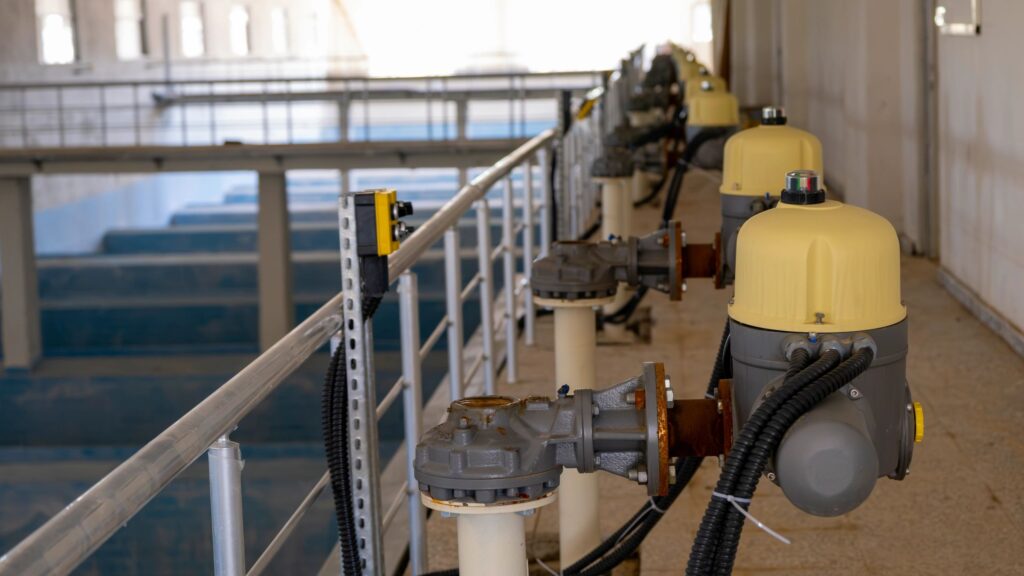
Clean and safe water is a fundamental necessity for life, yet achieving it often requires specialized equipment and services. Whether you are a homeowner, business owner, or industrial manager, understanding water treatment systems can help you make informed decisions to meet your specific needs. This guide explores the essentials of water treatment systems, their types, and how they work to enhance water quality.
What Are Water Treatment Systems?
Water treatment systems are designed to remove impurities, contaminants, and harmful substances from water, ensuring it is safe for consumption and use. These systems cater to various applications, including residential, commercial, and industrial needs. The systems can address issues ranging from hard water and chemical contaminants to biological impurities.
Why Is Water Treatment Important?
Water treatment is crucial for safeguarding health, preserving equipment, and enhancing the taste and quality of water. Contaminated water can lead to health risks, damage plumbing systems, and negatively impact industrial processes. By investing in water treatment, you ensure a reliable supply of clean and safe water for various applications.
Types of Water Treatment Systems
There are several water treatment systems available, each suited to specific needs and applications. Below is an overview of the most common types:
1. Filtration Systems
Filtration systems are among the most common solutions for removing particulate matter, such as dirt, sand, and silt. They can range from simple carbon filters for household use to advanced multi-stage filtration systems for industrial applications.
2. Reverse Osmosis Systems
Reverse osmosis (RO) systems work by forcing water through a semi-permeable membrane, removing a wide range of contaminants, including salts, heavy metals, and microorganisms. RO systems are popular in both residential and commercial settings for their efficiency and effectiveness.
3. Water Softeners
Water softeners are designed to address hard water issues caused by high levels of calcium and magnesium. They use ion exchange technology to replace these minerals with sodium or potassium, preventing scale buildup in pipes and appliances.
4. UV Purification Systems
Ultraviolet (UV) purification systems use UV light to destroy bacteria, viruses, and other pathogens in water. This chemical-free method is ideal for ensuring microbiologically safe water.
5. Chemical Treatment Systems
Chemical treatments involve using disinfectants, such as chlorine, to eliminate harmful organisms and oxidize contaminants. These systems are commonly used in municipal and industrial water treatment.
How to Choose the Right Water Treatment System
Selecting the right water treatment system depends on various factors, including water quality, usage requirements, and budget. Here are some steps to guide you:
Step 1: Test Your Water
Start by testing your water to identify the specific contaminants you need to address. This can be done using home testing kits or professional water analysis services.
Step 2: Define Your Needs
Consider your water usage, whether for drinking, cooking, bathing, or industrial processes. Determine the capacity and efficiency requirements of the system.
Step 3: Consult Experts
Seek advice from water treatment professionals to understand the best options for your situation. They can help you navigate the complexities of water treatment technologies.
Step 4: Evaluate Costs and Maintenance
Factor in the initial investment, operating costs, and maintenance requirements of the system. Choose a solution that aligns with your long-term goals.
Benefits of Water Treatment Systems
Investing in a water treatment system offers numerous advantages:
- Health Protection: Removes harmful contaminants and pathogens.
- Improved Taste and Odor: Eliminates unpleasant tastes and smells.
- Equipment Longevity: Prevents scale buildup and corrosion, extending the lifespan of plumbing and appliances.
- Environmental Impact: Reduces the need for bottled water, minimizing plastic waste.
Common Challenges in Water Treatment
While water treatment systems are highly effective, they may face challenges such as:
- High Initial Costs: Advanced systems can be expensive to install.
- Maintenance Requirements: Regular servicing is needed to ensure optimal performance.
- Water Quality Variations: Fluctuating water quality can impact system efficiency.
Addressing Local Water Treatment Needs
For residents and businesses in areas like Lubbock, Texas, addressing specific water quality issues such as hard water and high mineral content is essential. Local water treatment experts can provide tailored solutions that meet regional needs.
FAQs
1. What is the most effective water treatment system?
The effectiveness of a water treatment system depends on the specific contaminants present in your water. Reverse osmosis systems are highly effective for a wide range of impurities.
2. How often should water treatment systems be serviced?
Service frequency varies by system type. Generally, filters should be replaced every 6–12 months, and professional servicing is recommended annually.
3. Can water treatment systems improve water taste?
Yes, most systems are designed to remove impurities that cause unpleasant tastes and odors, resulting in better-tasting water.
4. Are water treatment systems environmentally friendly?
Many systems, such as filtration and UV purification, are eco-friendly and reduce reliance on bottled water, which helps decrease plastic waste.
5. How do I know if my water needs treatment?
Signs such as unpleasant taste, odor, discoloration, or scale buildup indicate that your water may need treatment. Testing is the best way to confirm.
Water treatment is a vital aspect of ensuring clean and safe water for various applications. By understanding the different systems available and their benefits, you can find the best whole house water filter for your needs. Schedule a free water test with us today to get started.